
Vehicle Insurance
5 min read
All you need to know about TP and comprehensive insurance
Insurance is essential to financial planning and can protect you and your assets from unexpected events, such as accidents or natural disasters.
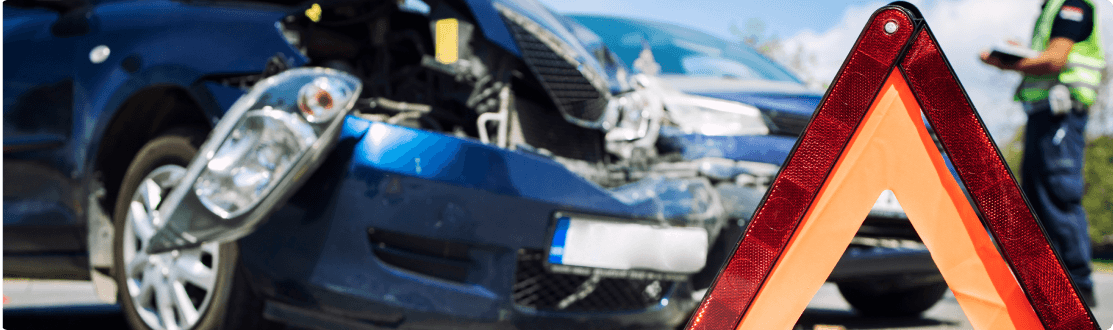
Image by aleksandarlittlewolf on Freepik
Insurance is essential to financial planning and can protect you and your assets from unexpected events, such as accidents or natural disasters. India has two main motor insurance types: third-party and comprehensive insurance.
In this blog, we will explore the differences between these two types of insurance, who should consider purchasing them, and some tips to remember before making a decision.
What is Third-party insurance?
Third-party insurance, also known as liability insurance, is mandatory for all vehicle owners in India. It covers damages or injuries caused to third parties, such as pedestrians, passengers in other vehicles, or property damage to others. It does not cover damages to your vehicle or injuries to yourself.
Example: Imagine that you are driving your car and accidentally hit a pedestrian crossing the street. The pedestrian is injured and requires medical treatment. With third-party insurance, the costs of the pedestrian's medical treatment and any other damages or injuries caused to the pedestrian would be covered by your insurance policy. Your vehicle damages and injuries caused to yourself would not be covered under third-party insurance.
In this situation, the pedestrian is considered a third party, and the insurance policy would provide coverage for the damages or injuries caused to the third party. Third-party insurance does not cover damages or injuries to the policyholder (in this case, you and your vehicle). It is essential to understand the coverage provided by third-party insurance and to consider purchasing additional coverage, such as comprehensive insurance if you want more protection for yourself and your vehicle.
Some examples of events that Third-party auto insurance can cover include:
1. Auto accidents: If you cause an accident while driving, third-party auto insurance can cover damages or injuries to the other driver or vehicle.
2. Hit-and-run accidents: If you are involved in a hit-and-run accident and flee the scene, third-party auto insurance can cover damages or injuries to the other driver or vehicle.
3. Property damage: If you accidentally damage someone else's property (such as a fence or storefront) while driving, third-party auto insurance can cover the repair costs.
4. Medical expenses: If you cause an accident and the other driver is injured, third-party auto insurance can cover their medical expenses.
5. Liability for rental cars: If you are involved in an accident while driving a rental car, third-party auto insurance can cover damages or injuries to the other driver or vehicle.
What is comprehensive insurance?
On the other hand, comprehensive insurance is a more exhaustive coverage option that includes third-party insurance and coverage for damages to your vehicle and injuries to yourself. It also provides coverage for natural disasters, theft, and other unexpected events.
Example: Suppose your car is worth INR 8 lakhs, and you opt for a comprehensive insurance policy with a premium of INR 12,000 per year. In case of a severe accident, your insurance policy would cover the cost of repairing your vehicle, which is estimated to be INR 2 lakhs. Additionally, if you caused any damages or injuries to a third party in the accident, your insurance policy would cover those costs, which is estimated to be INR 1 lakh. So, your insurance policy would cover INR 3 lakhs of costs related to the accident.
In this scenario, if your car were stolen or damaged by an unexpected event, your comprehensive insurance policy would also cover the cost of replacing your vehicle, which is estimated to be INR 8 lakhs.
So, in this example, comprehensive insurance provides coverage for a total of INR 11 lakhs (INR 3 lakhs for the accident and INR 8 lakhs for theft/vandalism), which would help you manage the costs associated with these unexpected events.
Some examples of events that comprehensive insurance can cover include:
-
Accidents: If you are involved in a car accident, comprehensive insurance can cover the repair costs for your vehicle and any medical expenses you incur as a result of the accident.
-
Natural disasters: Comprehensive insurance can cover the repair costs if a natural disaster damages your vehicle, such as a flood or earthquake.
-
Theft: Comprehensive insurance can cover the replacement cost if your vehicle is stolen.
-
Vandalism: If your vehicle is vandalized, comprehensive insurance can cover the repair costs.
Who should buy third-party insurance?
As mentioned, third-party insurance is mandatory for all vehicle owners in India. Therefore, if you own a vehicle, you are required by law to have third-party insurance.
Who should buy comprehensive insurance?
Comprehensive insurance is a good option for those who want more protection and coverage for their vehicle and themselves. It benefits those who own newer or more expensive vehicles and want to protect their investment. It is also a good choice for driving frequently or at a higher risk for accidents or natural disasters.
Five tips to remember before purchasing third-party and comprehensive insurance
1. Understand the coverage: Make sure you fully understand the coverage provided by each type of insurance. Consider your needs and the level of protection you want before deciding.
**2. Compare quotes: **Get quotes from multiple insurance companies to compare rates and coverages. Don't just go with the cheapest option, but also consider the reputation and reliability of the company.
3. Read the fine print: Carefully read and understand the terms and conditions of the insurance policy before purchasing. Make sure you know what is and needs to be covered.
4. Consider add-ons: Many insurance companies offer additional coverage options, such as roadside assistance or rental car coverage. Consider whether these add-ons are worth the extra cost.
5. Review your policy regularly: It's a good idea to review your insurance policy every year to ensure it meets your needs if your circumstances have changed, such as if you have a new car or have started driving more frequently, you may need to adjust your coverage.
FAQs
1. Do You Really Need Insurance When Renting a Car?
Yes, rental car insurance can be important because it may protect you from financial losses if the rental vehicle is damaged, stolen or involved in an accident. Before buying additional rental coverage, check whether your existing motor insurance or other applicable cover already provides protection for rental vehicles.
2. What Does Rental Car Insurance Actually Cover?
Rental car insurance can provide coverage for risks such as accidental damage to the rental vehicle, theft and third party liability, depending on the policy. The exact coverage, exclusions, deductibles and limits vary, so always check the policy terms before choosing additional protection.
3. Will My Personal Auto Insurance Cover a Rental Car?
Not necessarily. Some motor insurance policies may provide coverage for rental vehicles, while others may not. Check your existing policy terms to confirm whether rental car coverage is included before assuming you are protected.
4. Should I Claim Through My Insurance or the Other Driver's Insurance?
It depends on who was responsible for the accident and the circumstances of the claim. If the other driver is responsible, you may be able to claim against their third party insurance. If you have comprehensive motor insurance, you may also have the option to claim under your own policy, subject to its terms and conditions.
5. What's the Difference Between Comprehensive and Third Party Insurance?
Third party insurance covers your legal liability for injury, death or property damage caused to a third party and is mandatory for vehicle owners in India. Comprehensive insurance generally combines third party liability cover with protection for your own vehicle against risks such as accidents, theft and certain natural events, subject to the policy terms.
6. Do I Need Both Comprehensive and Third Party Insurance?
A comprehensive motor insurance policy generally includes third party liability cover along with own damage protection, so you do not usually need to purchase a separate third party policy in addition to it. Third party insurance alone provides the legally required liability protection but does not cover damage to your own vehicle.