
Vehicle Insurance
04mins 39Sec
Is Driving a Vehicle without Insurance Illegal in India?
You could break the law by not carrying the appropriate insurance while driving on public roads in India. You should know that third-party liability insurance is legally required for everyone who operates a vehicle on public roads in India.
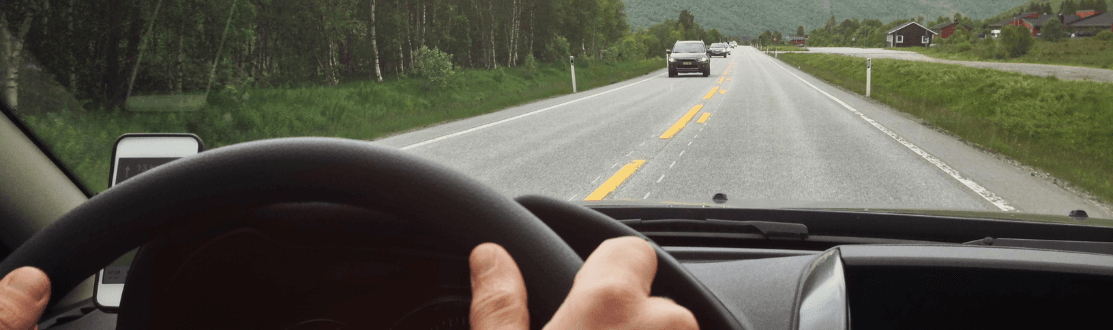
You could break the law by not carrying the appropriate insurance while driving on public roads in India. You should know that third-party liability insurance is legally required for everyone who operates a vehicle on public roads in India.
This article answers the following questions in detail:
-
Is there a fine for driving without insurance?
-
What is the Motor Vehicles Act?
-
Is driving a vehicle without insurance illegal?
Read on to discover everything there is to know about the new Motor Vehicle Act by the Central Government of India. Also, it discusses the challan you must pay if you ride or drive without insurance.
What is the Motor Vehicles Act? What is the penalty for not having motor vehicle insurance?
The Motor Vehicle Act says it is against India's law to drive a car without the right insurance. Recent changes to the Motor Vehicle Act of 1988 have worsened penalties for moving violations. The most penalty for a first offense of driving without insurance has increased from Rs 1000 to Rs 2000 according to Motor Vehicle Act 2019. If you're caught breaking the law twice in a row, the second time around will cost you an extra Rs. 4000.
The penalty for operating a vehicle without insurance does not vary based on the kind of vehicle used. This includes motorcycles, cars, and trucks. The severity of the punishment may differ from state to state. Besides the challan, drivers in some jurisdictions may face jail time of up to three months for operating a vehicle without insurance.
Is driving a vehicle without insurance illegal?
According to Indian Motor Vehicles Act, driving four and more wheeled vehicles is illegal and punishable without third-party liability coverage. It requires both personal and business vehicles to have insurance coverage in the event of an accident. If you drive without insurance, a fine for driving without insurance will be levied on the driver.
What happens if you are caught driving without insurance?
1. Fine
In India, it is against the law to operate a car or ride a motorcycle without adequate insurance to ensure that all vehicles are covered at all times by insurance. If caught driving without automobile insurance for the first time, you might receive a penalty of up to Rs. 2,000 and/or three months in jail. The maximum penalty for this offense was Rs. 1,000 and/or three months in jail. Those caught without insurance while driving a second time face a fine of Rs. 4,000 and/or up to three months in prison.
2. Legal Difficulties
Legal problems stemming from an accident involving a third party may be difficult and time-consuming. Still, the penalties or fines for operating an uninsured car are severe and can include jail time of up to three months. Losing money because you or someone else was killed in an accident while driving an uninsured car is stressful and challenging. In addition, you risk having your driver's license revoked as a result.
3. Loss of the No-Claim Bonus
If your auto insurance has been canceled for more than a specific time, you may lose the No-Claim Discount (NCB) you earned in the past year for not making a claim. If you want to renew your insurance after it has expired, you will have to pay a higher premium, and your car may even be inspected before providing you with a cover. The premium for renewing an old insurance policy increases with each passing year. Add-ons like Nil or Zero Depreciation Protection may only be available from some insurers.
If the challan is not paid, the penalty that could be levied on the offender the next time they are caught would be higher.
Other repercussions of driving without insurance
1. Vehicle registration suspensions
Vehicle registrations may be revoked by the traffic authority as well. Until the suspension is removed, you won't be able to drive the automobile.
2. Risk having your driving privileges revoked.
Your driving privileges will be severely restricted or revoked entirely. If you fail to provide proof of insurance when requested by your state government, you may have your license suspended. Authorities may require you to turn over your driver's license or revoke it if the situation warrants it.
3. Your monetary woes may worsen.
Significant financial damages await you if you're caught driving without proper insurance documentation. First, insurance companies can stop covering you or charge you a lot more money for basic coverage in the future.
Tips to avoid fines
If you want to avoid having to pay expensive penalties, be sure you follow these guidelines:
-
Keep a physical copy of all necessary paperwork in your vehicles, such as your driver's license, registration card, and pollution certificate.
-
You should also save a digital copy of each paper on your mobile device.
-
Make it a priority to remember to renew your insurance coverage on time so that you may avoid paying any late fees.
-
Before you get behind the wheel of any car, be sure you have all of the necessary insurance coverage. Mandatory third-party liability coverage must be purchased because the financial responsibility associated with car accidents that injure other people requires a substantial payment.
To the extent that people exercise caution, accidents can be kept to a minimum. And there are situations when not doing so might have catastrophic consequences. Everything should be easily accessible, up-to-date, and secure. No one looks forward to paying a fine for not having insurance. We must all do what we can to ensure the safety of others on the road by following the rules set up for traffic and road safety.
Conclusion
Driving without valid insurance in India can lead to fines, legal complications, and significant financial losses, especially if an accident causes damage or injury to a third party. Third-party motor insurance is mandatory for vehicles driven on public roads in India, making it important to keep your policy active and renewed on time.
Vehicle insurance is not just about avoiding a challan—it provides financial protection against unexpected risks on the road. Whether you own a car, bike, or commercial vehicle, choosing the right Vehicle Insurance policy and maintaining continuous coverage can help you stay legally compliant and financially protected.
Before driving, always check your insurance validity and keep your policy documents readily available. If your policy is about to expire, renew it on time and review whether additional coverage, such as Zero Depreciation, Roadside Assistance, or Personal Accident Cover, is suitable for your needs.
FAQs
1. Is third-party insurance mandatory in India?
Yes. Under Section 146 of the Motor Vehicles Act, 1988, every vehicle used in a public place must carry at least a valid third-party liability insurance policy. This applies to cars, two-wheelers, and commercial vehicles alike, with only limited statutory exceptions such as certain government-owned vehicles.
2. What is the fine for driving without insurance in India in 2026?
Under Section 196 of the Motor Vehicles Act (as amended in 2019), driving without valid insurance is a criminal offence, not just a civil one. A first-time offence attracts a fine of Rs. 2,000 and/or up to 3 months' imprisonment. A repeat offence increases the fine to Rs. 4,000, with the same possible jail term. In practice, first-time offenders are usually just fined, with imprisonment reserved for repeat or serious cases.
3. Can my driving license or vehicle registration be suspended for not having insurance?
Yes. Beyond the fine, traffic police can detain the vehicle until valid insurance is shown, and can register a criminal complaint under Section 196. If a challan goes unpaid, you can now be blocked from RC renewal, selling the vehicle, or even renewing your motor insurance — you get 45 days to pay or contest an e-challan before further action.
4. What is the difference between third-party and comprehensive car insurance?
Third-party insurance is the legal minimum — it only covers damage or injury caused to another person, vehicle, or property. Comprehensive insurance includes third-party cover plus protection for your own vehicle against accidents, theft, fire, and natural disasters. (This point isn't from your original blog — flagging it as added context.)
5. Does a lapsed insurance policy affect my No Claim Bonus (NCB)?
Yes. Letting your policy lapse for too long can cost you the No Claim Bonus built up from claim-free years. Renewing after a long gap can also mean higher premiums or a mandatory vehicle inspection before a new policy is issued.
6. What documents or proof are accepted to avoid an insurance-related challan?
You must be able to show a valid third-party insurance certificate at any checkpoint — either a physical copy or a digital copy stored on DigiLocker, the government's official document wallet. Many cities now use AI-based CCTV and ANPR cameras that flag uninsured vehicles automatically, so relying on "I won't get caught" is riskier in 2026 than before.